When a Courtroom Becomes Content
Alleged jury filming in the Clancy case shows how true crime spectacle can threaten a fair trial and harm people already living through loss.

There is a line between observing a public proceeding and treating it as entertainment. That line matters most in a courtroom, where real people, real families, and the right to a fair trial are not content for an audience.
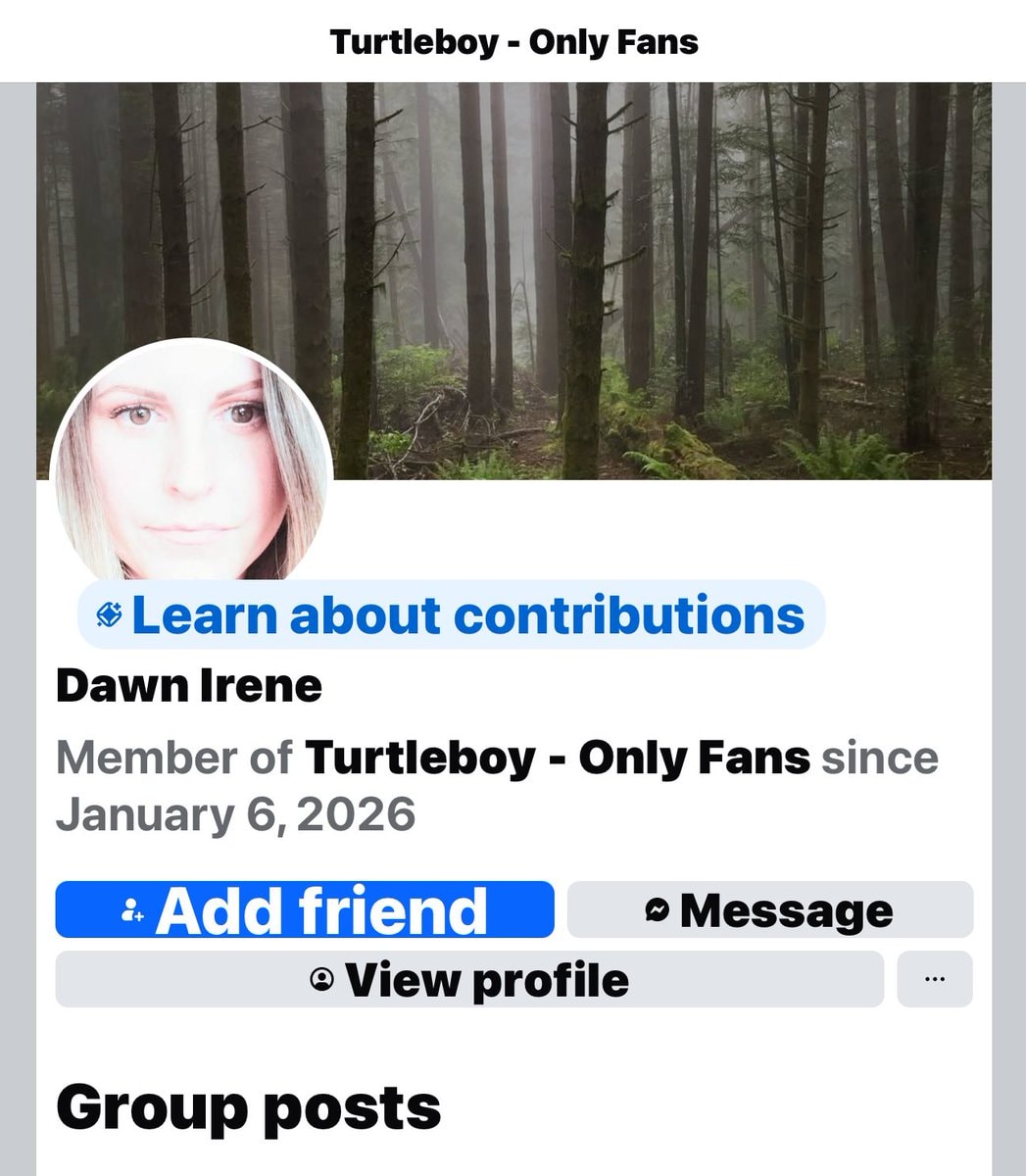
The arrest of Dawn Light in connection with allegations that she filmed jurors during the Lindsay Clancy proceedings should be a wake-up call. The allegations will be handled through the legal process, as they should be. But the larger lesson is already clear: conduct that was normalized and rewarded during the Karen Read spectacle is not staying contained to one case. It is showing up around other local proceedings, with higher stakes and fewer guardrails.
When courtrooms become stages for clicks, views, and sick entertainment, everyone loses. Victims lose privacy. Families lose peace. Jurors lose the ability to do a public duty without becoming targets. And the justice system loses the conditions it needs to do its work.
The Audience Is Not Entitled to the Jury
A jury is not a cast. Jurors are private citizens called to perform one of the most serious responsibilities in a democracy. They did not volunteer to become personalities in an online saga, to be identified by strangers, or to have their faces captured and distributed for commentary.
That boundary is not optional. It protects the integrity of deliberations, the safety of jurors, and the accused person's right to a verdict based on evidence rather than outside pressure. Allegedly filming jurors is not harmless curiosity. It is conduct that can intimidate people, contaminate a process, and create consequences far beyond a single social-media post.
Every person charged with a crime deserves a fair trial. Every victim and surviving family member deserves a process that is not turned into a carnival. And every juror deserves to return home without wondering whether a stranger has made them the next target of an online audience.
A Pattern That Did Not Start in Plymouth
The online ecosystem that grew around the Karen Read case taught people that a criminal proceeding could be turned into a daily show. It rewarded the loudest theory, the sharpest personal attack, and the most provocative live stream. It blurred the difference between reporting and rumor, between advocacy and harassment, between asking hard questions and refusing to accept facts.
That behavior did not disappear when the headlines changed. It traveled.
The Lindsay Clancy case has already drawn a highly charged audience, including people who approach the courthouse with the habits and language of the Read-era online movement. I am not interested in assigning every attendee to a label or speculating about every person's motive. What matters is the behavior. When supporters, creators, and spectators treat a criminal trial as a fan event, they import a culture where attention is the prize and restraint is treated as weakness.
That culture is corrosive. It encourages people to believe they are participants in a story that belongs to them. They are not. A case belongs to the people living with its consequences, and to the legal system charged with deciding it.
The Algorithm Rewards the Worst Instincts
Social platforms did not create true crime interest. They did, however, create an engine that pays for escalation. Outrage travels faster than nuance. Accusations create engagement. A dramatic clip can outrun a correction before the people harmed by it know it exists.
The result is a marketplace where creators can build followings by keeping an audience activated, angry, and certain. A new allegation is a hook. A target is a recurring character. A courthouse appearance is programming. The more extreme the behavior becomes, the more attention it can generate.
Platforms benefit from that attention. They sell advertising against it, promote it through recommendation systems, and often wait until damage is done before acting. Their business model does not excuse an individual choice to cross the line, but it does explain why the line keeps moving.
Responsible True Crime Has Boundaries
True crime can inform the public, expose institutional failures, and create space for serious discussion. It can also become exploitative when it forgets that the people at the center are not fictional characters.
Responsible consumers and creators should insist on a few basic rules:
- Do not identify, film, follow, or harass jurors, witnesses, victims, or their families.
- Do not turn unverified claims into facts because they fit a favored narrative.
- Do not reward creators who use humiliation, threats, or targeted campaigns as entertainment.
- Do not confuse public access to a courtroom with permission to interfere with it.
- Do not let an algorithm decide what deserves your certainty.
These are not restrictions on speech. They are the minimum standards of human decency and civic responsibility.
Accountability Has to Be Real
When conduct crosses from ugly to unlawful, consequences matter. Prosecution is not censorship. Enforcing courtroom rules is not a cover-up. It is how we protect the people who must participate in a system already under enormous strain.
The legal system needs to take interference seriously. Social platforms need to stop profiting from content that targets private people and inflames real-world harassment. And those of us who document this behavior need to keep a clear record, especially when victims cannot safely do it themselves.
That is why this work matters. Debunking disinformation matters. Preserving evidence matters. Supporting victims who have been dragged into online spectacle matters. Funding lawsuits that hold bad actors accountable matters. Until the law catches up and the platforms are forced to answer for what they reward, pay for, and monetize, documentation is one of the few tools people have.
Fight the Spectacle, Protect the Truth
The allegations surrounding the Clancy jury-filming incident should not be consumed as another piece of courtroom drama. They should be understood as a warning about where this culture leads when it goes unchecked.
We can care about justice without becoming a mob. We can follow a case without making entertainment out of strangers. We can demand accountability without sacrificing the truth to a narrative. Read more about responsible reporting and media accountability, or learn how online harassment can escalate.
The goal is not to silence discussion. The goal is to make it responsible. Visit Advocacy to explore the broader work of confronting disinformation, and Get Involved to support efforts that protect victims and pursue accountability. The people who have suffered enough deserve nothing less.
Explore Topics
Share this article
Written by
Kate Peter
Content creator and writer sharing insights and stories.