The Lindsay Clancy Case: Empathy, Spectacle, and the Victims We Forget
Maternal mental health is a real and serious crisis. But the fervor surrounding the Lindsay Clancy trial is erasing the three children she killed and turning a courtroom into a circus.
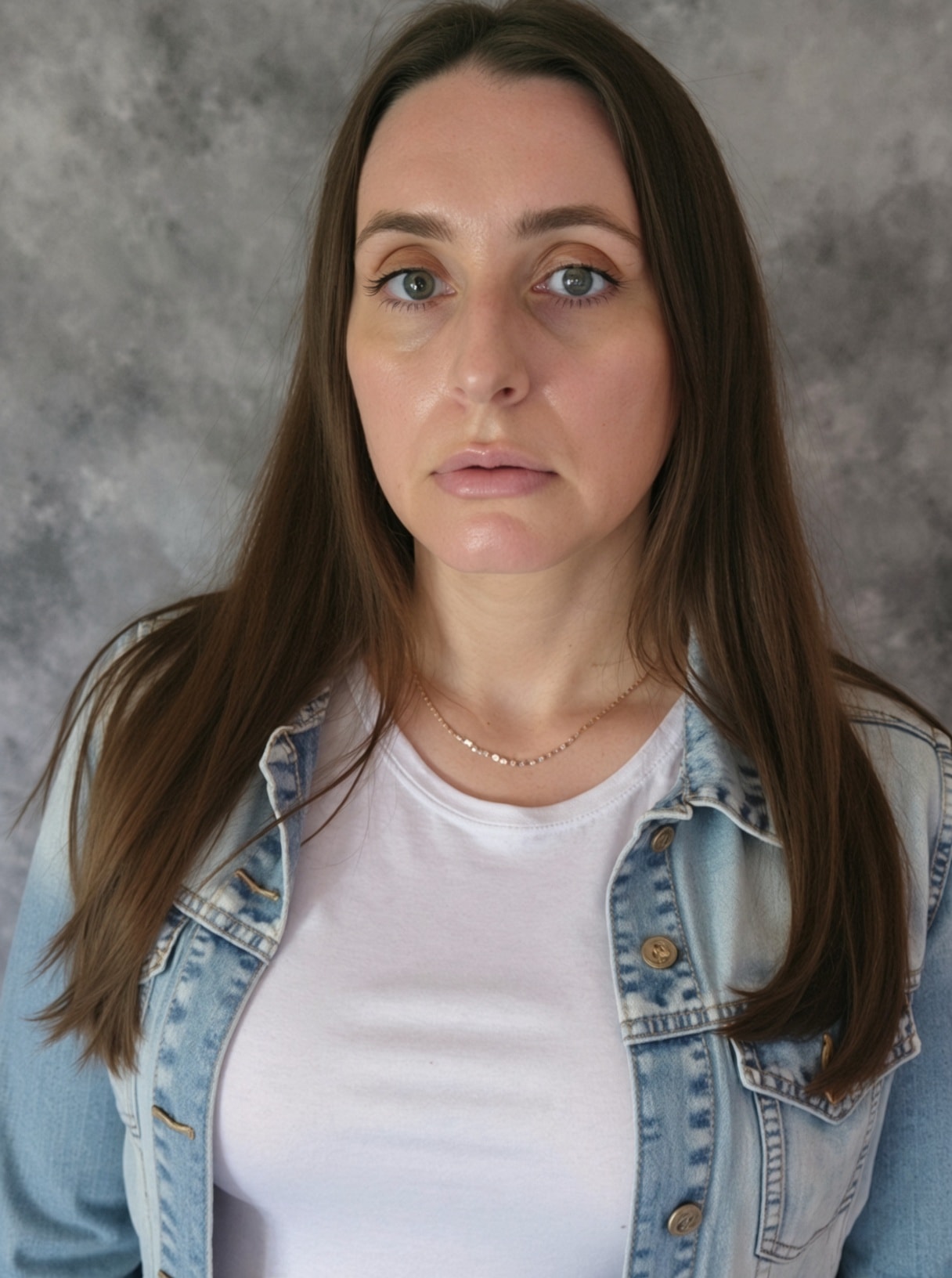
The truth of the Lindsay Clancy case is this: it is an unfathomable tragedy. A family destroyed. Three children dead. A father left to grieve alone. A woman whose mental state at the time of the killings remains, legally, a matter of genuine complexity. There is nothing simple here, and anyone who tells you otherwise is selling something.
What is being sold, right now, is a narrative, and it is costing the victims everything.
The Sea of Pink
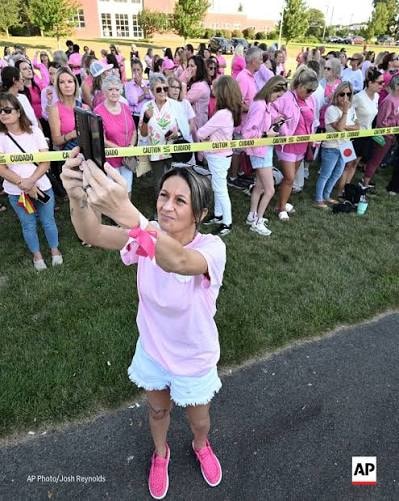
Outside the Plymouth County courthouse, a familiar scene has taken shape. Crowds dressed in pink. Signs. Selfies. The electric hum of a cause. If you squint, it looks almost indistinguishable from the gatherings that surrounded the Karen Read trial: the same performative solidarity, the same hunger to cast a complicated criminal case as a morality play with a clear heroine.
Lindsay Clancy is not Joan of Arc. She is a woman who strangled her three children, Cora, five; Dawson, three; and baby Callan, just eight months old, and then jumped from a window of her own home. The facts of what happened that night in January 2023 are not in serious dispute. The question before the jury is a narrower and genuinely difficult one: whether her mental illness was so profound, so consuming, that it mitigates or eliminates her criminal responsibility under the law.
That is a legitimate question. It deserves a serious answer. What it does not deserve is a circus.
Maternal Mental Health Is Real, and Being Weaponized
Let me be unambiguous: postpartum mental illness is a genuine, devastating, and chronically under-addressed crisis. Women are failed by a healthcare system that dismisses their symptoms, by a culture that demands they perform gratitude and competence at their most vulnerable, and by a legal and social infrastructure that was not built with their biology in mind. The advocacy around maternal mental health is important work.
But advocacy and adjudication are not the same thing. And the fervor that has gathered around Lindsay Clancy is not, at its core, about maternal mental health. It is about the internet's insatiable appetite for a mystery to solve, and its particular fondness for reframing women who commit violence as women who were failed.
That reframing has a cost. And the people paying it are Cora, Dawson, and Callan Clancy.
The Victims We Keep Forgetting
In the coverage, in the courthouse crowds, in the social media threads that run thousands of comments deep: where are the children? Where is the grief for three small people who will never grow up, who did not choose their circumstances, who had no say in what happened to them?
They have been largely erased. Replaced by a narrative in which their mother is the primary victim, their father Patrick is a suspect or a villain depending on which corner of the internet you inhabit, and the children themselves are props in a story about systemic failure.
Patrick Clancy has been subjected to targeted harassment, disinformation, and defamation by people who have decided, based on nothing, that he bears some responsibility for what happened. This is not advocacy. This is not justice. This is the same machine that destroyed the lives of people connected to the Karen Read case, the Gabby Petito case, and dozens of others before them: the online mob that mistakes speculation for investigation and harassment for accountability.
What the Jury Must Decide, and What Is Not in Question
Whether Lindsay Clancy's mental illness rises to the level of a legal defense is genuinely uncertain. Experts will testify. The jury will weigh the evidence. That process, imperfect as it is, exists for a reason, and it deserves to function without a crowd outside the courthouse performing their predetermined verdict.
What is not uncertain, and what no amount of pink clothing changes, is who killed those children. Their mother killed them. That is not a judgment about her mental state. It is not a dismissal of postpartum psychosis as a real and serious condition. It is a fact. And the refusal to hold that fact clearly in view, to look directly at what happened to Cora, Dawson, and Callan, is a failure of moral seriousness that the spectacle outside that courthouse embodies perfectly.
We Can Do Better
Empathy is not a finite resource. We can hold grief for Lindsay Clancy's suffering and the systemic failures that may have contributed to it. We can hold grief for Patrick Clancy, who lost his children and has been made a target by strangers on the internet. We can hold grief, most of all, for three children who deserved to grow up.
What we cannot do, if we want to be serious people, is let that empathy become a performance that frustrates the administration of justice, harms surviving victims, and buries the dead children under a wave of pink.
The courthouse is not a rally. The trial is not a cause. And Lindsay Clancy is not a symbol. She is a defendant, charged with killing her children, whose fate should be decided by a jury, not a crowd.
The children deserve that much.
Explore Topics
Share this article
Written by
Kate Peter
Content creator and writer sharing insights and stories.